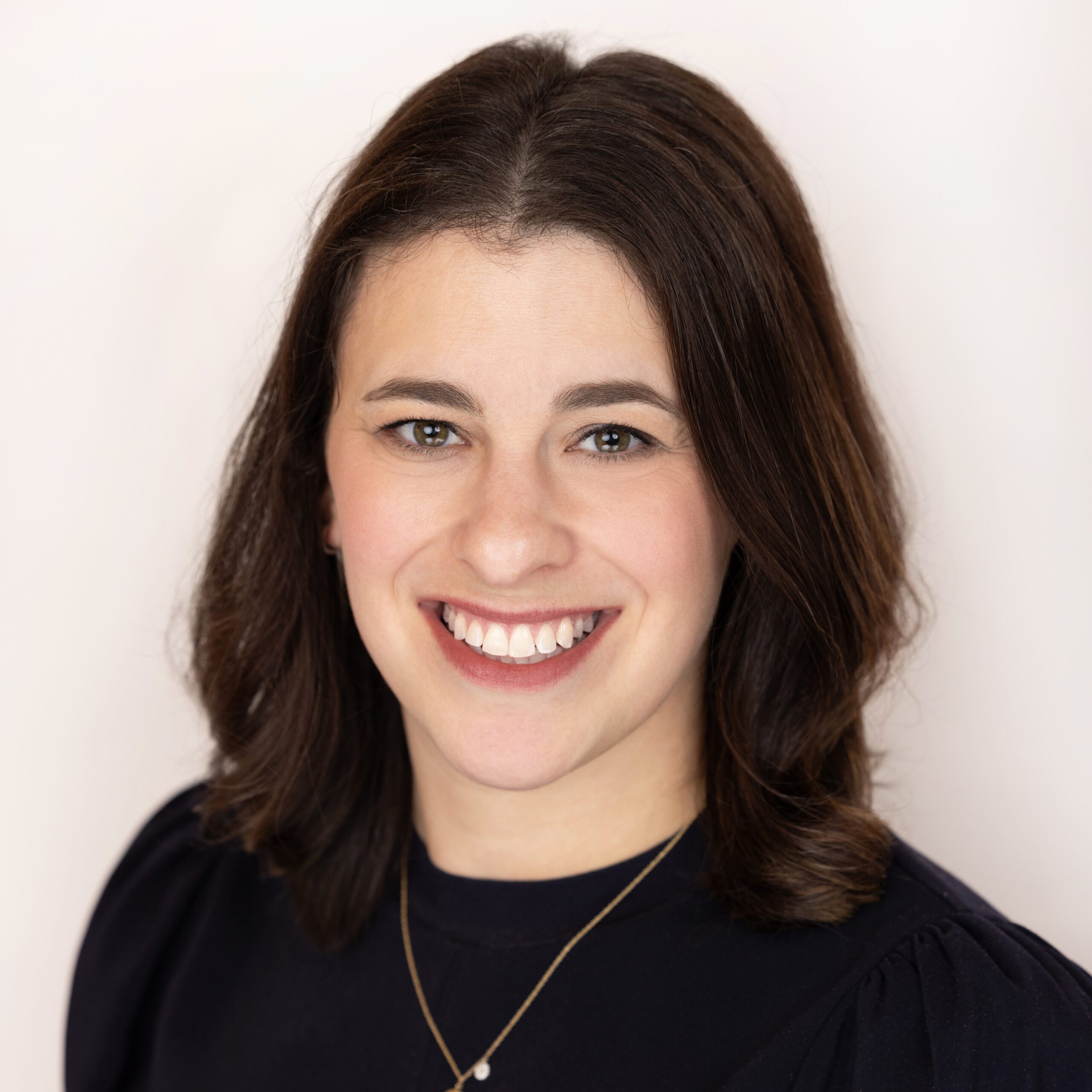
Wingspan Director Hillary Sieber sat down with Aly Rose, a strategy and climate-finance advisor who helps families and foundations put their capital to work for impact. Aly was most recently Director of Strategy at the Millbor Foundation. Before that, she connected family offices and impact-first investors with sustainable ocean opportunities at CREO Syndicate. In this conversation, she explains the financial tools that let a family foundation or donor-advised fund do more than write grants.
Beyond the grant
Hillary Sieber: Aly, when most families think about philanthropy, they think about grant-making or writing checks directly to their favorite organizations. What has changed in how can put their capital to work?
Aly Rose: Well, Hillary, many families who give regularly use one of two structures for tax-efficient giving: a private family foundation or a donor-advised fund, also called a DAF. Both let a family set money aside for charity, take a tax deduction, and grant it out over time. Whichever one a family uses, the biggest shift I’ve seen is that families now treat all of their charitable assets as a tool for impact. Foundations have the widest set of tools, so I’ll start there and come back to DAFs a bit later.
A private foundation must pay out at least 5% of its investment assets each year for charitable purposes and qualifying operating expenses. The total assets calculation is based on a thirteen-month average, not just the endowment’s value at the end of the fiscal year. For a long time, that 5% was where all the impact work happened. The other 95% sat in a portfolio that often had little to do with the foundation’s mission. Most foundations use the endowment model: invest the assets, grant out a small share each year, and let the rest grow so the foundation can give forever. It’s a smart way to last. The catch is that those investments are usually managed for financial returns alone. DAFs work in a similar way, since money waiting to be granted is usually invested in the meantime.
Today, there’s a full spectrum of options. On one end are traditional grants, where the money doesn’t come back. Next are recoverable grants, which may be repaid if a project succeeds. Then there are program-related investments, like low-interest loans or equity, which count toward the 5% payout. That’s because the IRS treats them a lot like grants. Their main purpose has to be charitable, even though the money may come back. On the other end are mission-related investments, which aim for market returns while lining up with the foundation’s values.
What excites me most is that families can mix these tools. A family focused on one issue, like ocean health or regenerative agriculture, might make a grant for early research, a loan for a growing business, and an investment once the business is ready to scale. Each dollar gets matched to the stage of the work.
Recoverable grants
Hillary: Many families have heard the term “recoverable grant.” How does one work, and when does it make more sense than a traditional grant?
Aly: A recoverable grant is a grant with a built-in option for repayment. The family foundation funds an organization for a charitable purpose. If the project succeeds and generates revenue, the organization repays some or all of the money based on agreed-upon impact and financial milestones. If it doesn’t succeed, the grantee usually owes nothing. That’s what sets it apart from a loan. The funder carries the risk, so the grantee is free to try something new.
Recoverable grants work best for organizations with a real path to earned revenue. Think of a nonprofit launching a social enterprise, a cooperative buying equipment, or a project that needs bridge funding while it waits on a larger contract. When the money comes back, the family foundation can recycle it into its next grant.
A few things to keep in mind. “Recoverable grant” isn’t a formal legal category, so the agreement needs to spell out what triggers repayment, on what timeline, and what happens if the project falls short. Private foundations should also work with counsel on how repayments affect their annual payout. (Returned funds are generally added back to the amount the foundation needs to distribute.) Finally, talk openly with the grantee about expectations from the start. A recoverable grant works best when it feels like a true partnership to the organization receiving it.
Program-related investments
Hillary: Program-related investments come up a lot, but they can sound intimidating. What are they, and how can a family foundation or DAF use them to stretch its giving further?
Aly: They sound complicated, but the idea is simple. A program-related investment, or PRI, is an investment a private foundation makes mainly to advance its charitable mission. Making money can’t be a significant purpose. In other words, the foundation makes the investment because of the good it does. An investor focused only on financial return would usually pass on the same deal. A PRI can be a below-market loan, an equity stake, a deposit, or a loan guarantee. It can go to a nonprofit or to a for-profit company, as long as the charitable purpose comes first. DAFs can’t make PRIs themselves, but some DAF sponsors offer similar charitable loans, which I’ll come back to later.
The big advantage is that PRIs count toward the foundation’s 5% payout, just like grants. And when a PRI loan is repaid, the foundation can put that capital to work again. Over ten or twenty years, the same dollar can support several projects. That’s how a PRI stretches a family’s giving.
There are rules to respect, of course. The investment’s primary purpose has to be charitable, and PRIs can’t fund lobbying or political activity. When a PRI goes to a company or another group that isn’t a public charity, the foundation also takes on “expenditure responsibility.” That means extra due diligence, a written agreement, and regular reports on how the money is used. None of this should scare families away! It just means doing the paperwork carefully and bringing in good legal advice from the beginning.
The other 95%
Hillary: Most of a foundation’s assets sit in its endowment rather than its grant budget. How can families put that other 95% to work for impact too?
Aly: I think this is where the most untapped potential lies. Even a very generous foundation invests the large majority of its assets in a traditional portfolio. Mission-related investments, or MRIs, move part of that portfolio into companies and funds that line up with the foundation’s goals. They still aim for market-rate returns but are adjusted for risk. In 2015, the IRS clarified that foundation managers can weigh mission alongside financial return when they make investment decisions. That gave many hesitant families the green light, and some larger foundations, like the Ford Foundation, have fully integrated MRIs into their overall strategy to maximize impact.
There are also some lesser-known tools I love to share. One is the loan guarantee. A private foundation backs a loan so that a bank or other lender feels comfortable lending to an organization at a better rate. The foundation’s money stays invested unless the guarantee is called. Another is catalytic capital in blended-finance deals. Here the foundation takes the first loss or accepts a lower return so that other investors feel safe joining in. A small amount of philanthropic money can unlock a much larger pool of private capital.
What about donor-advised funds?
Hillary: Many of the families we work with give through a donor-advised fund rather than a private foundation. How many of these tools are available to them?
Aly: More than most families realize! A donor-advised fund, or DAF, works a little differently from a foundation. Once a family contributes to a DAF, the sponsoring organization legally owns the assets. The family recommends grants and often chooses how the account is invested, but the sponsor has the final say. That means the menu of options depends on the sponsor, so it’s worth asking yours what it offers before picking a tool.
DAFs also come with some real advantages. There is no 5% payout requirement, so families have more freedom on timing. And because the family already received its tax deduction when it made the contribution, impact tools simply let that charitable money do more while it waits to be granted.
Recoverable grants are one of the easiest tools to use through a DAF. A growing number of sponsors, from community foundations like the Boston Foundation to the charitable arms of large financial firms, now offer recoverable grant programs. When the nonprofit repays, the money flows back into the family’s DAF, ready for its next grant. It never returns to the family personally, since the original gift was irrevocable.
Program-related investments are technically a private foundation tool, so DAFs don’t use that label or count toward a payout. Still, some sponsors allow similar charitable loans or investments from DAF assets, often through partner platforms or nonprofit intermediaries. Others don’t allow them at all, so this is another good question for your sponsor.
The investment side is where DAFs can really shine. Many sponsors offer impact or ESG investment pools for the balance waiting to be granted, and some will build custom impact portfolios for larger accounts. That’s the DAF version of putting “the other 95%” to work. Loan guarantees and first-loss positions are harder to arrange through a DAF. Families who want those tools sometimes pair their DAF with impact investments from their own assets or, as their giving grows, a private foundation.
A few rules still apply. DAF grants must serve a charitable purpose and can’t provide more than an incidental benefit to the donor or their family. Grants to organizations that aren’t public charities require extra oversight from the sponsor, so many sponsors limit them. The IRS has also proposed new DAF regulations that are not yet final, which is one more reason to bring your sponsor and tax advisor into the conversation early.
Getting started
Hillary: For a family considering one of these tools for the first time, where should they start, and what should they watch out for?
Aly: I’d start with the “why.” Before picking a tool, a family should get clear on the change it wants to see and the role it wants its capital to play. Some families want to support higher-risk charitable work that others aren’t ready to fund yet. Others want to help proven models grow. That answer usually points to the right vehicle.
Next, start small. A first recoverable grant or a modest PRI to a grantee the family already trusts is a great way to learn how these tools work in practice. It also helps the board and the next generation build confidence together.
Third, bring the right advisors or employees in early. Legal and tax counsel can make sure the structure fits the foundation’s rules. An investment or strategic advisor can help with mission-related investments. And there’s no need to go it alone. Co-investing with experienced funders or intermediaries lets a family learn from people who have done this before.
As for pitfalls, the most common one is choosing a vehicle because it sounds exciting before asking whether it fits the goal. Another is underestimating the time it takes to monitor a loan or investment over several years, so plan for that capacity up front. Most of all, enjoy the process! These tools give families more ways to make a difference, and it’s so rewarding to watch a single dollar do more than one job.
—–
For more content, check out Wingspan Insights.