Bloomberg TV Spotlight: The Quiet Succession Crisis on Main Street
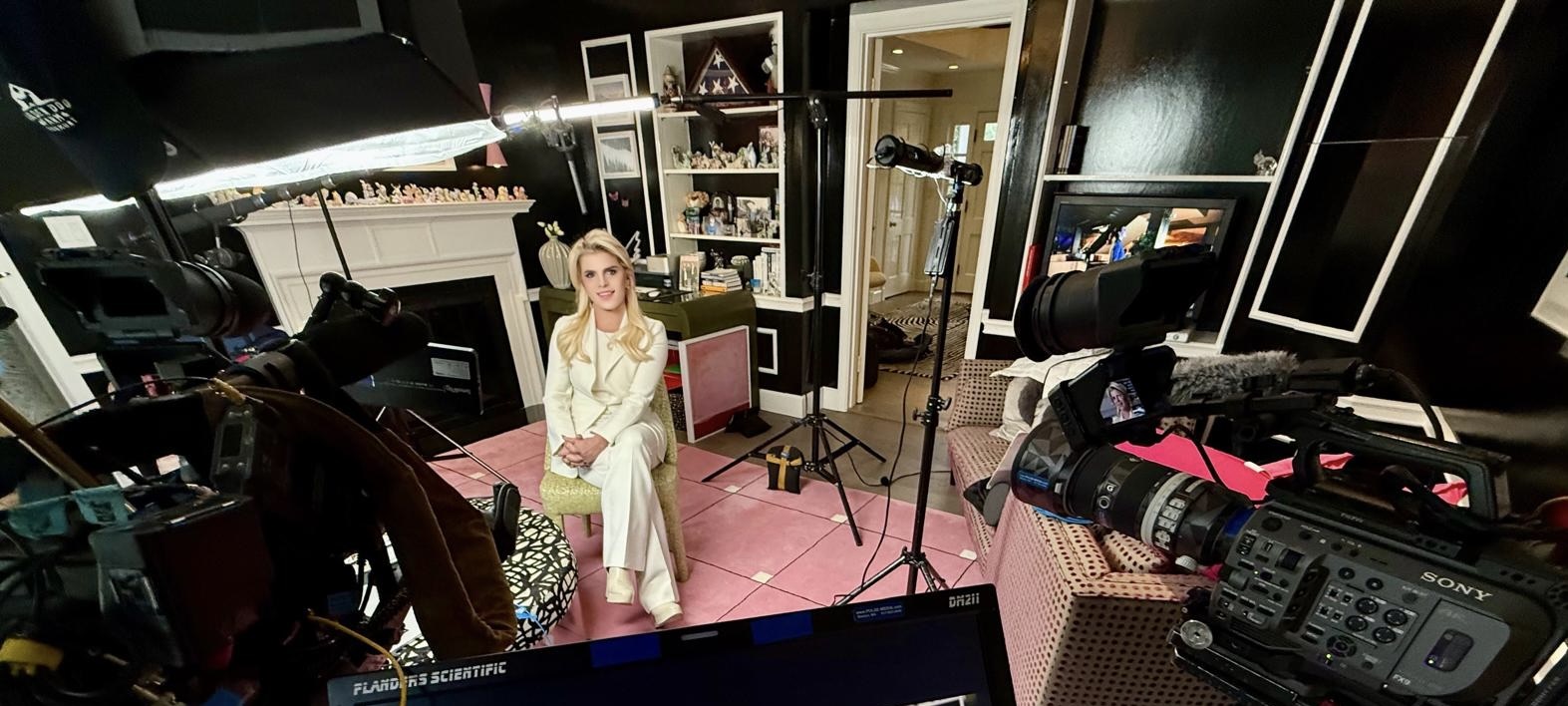
Wingspan founder, Christina Wing, was recently featured on Bloomberg TV’s Wall Street Week with David Westin to discuss small business succession, and what happens when the next generation doesn’t want to take the reins.
The segment opens with the story of a multi-decade, family-run dry cleaner and the reality many owners are facing: they can’t operate forever, and the path forward isn’t always clear. With more than half of U.S. businesses owned by people 55 and older, the question of “what’s next” is becoming urgent for millions of founders and their communities.
The segment also situated this moment in the context of the Great Wealth Transfer now underway. Over the coming decades, trillions of dollars are expected to move across generations—and a meaningful share of that value is tied up in closely held businesses. As ownership transitions accelerate, the outcomes won’t only affect families. They’ll affect employees, customers, and local economies.
A major theme was how succession expectations are shifting. Christina noted that many of today’s Rising Gen aren’t interested in working in the family business, and many would rather inherit cash than inherit the responsibility of running operations—creating pressure to sell even when families might prefer other outcomes.
Planning (or the lack of it) was another focal point. The segment cited research showing that only about half of small businesses have a succession plan. Christina emphasized that these discussions are most effective when they start early—so families have time to think through scenarios, align expectations, and evaluate options before decisions become urgent. She also pointed out how easily succession gets tangled up with aging: when owners start to feel “I’m getting older,” they may jump too quickly to “I should sell,” even when other paths exist.
One practical alternative discussed was shifting from owner-operator to owner-investor. Christina described how families can sometimes keep ownership of the business while hiring leadership to run day-to-day operations—giving the owner room to step back without having to exit entirely. She also noted that even if the Rising Gen doesn’t want to work in the business today, future generations might—and maintaining ownership can preserve that option.
The segment also explored how the market is responding, including private equity approaches that acquire small founder and family-owned businesses, often keeping sellers involved briefly to support continuity. The discussion highlighted how these buyers may bring capital, professionalization, and operational efficiencies that can help businesses scale and stay competitive. At the same time, Christina offered a nuanced perspective: in some cases, consolidation—such as rolling up many businesses in the same category—can shift a company’s local feel as the brand and customer experience becomes more standardized. The right next owner depends on the business, the family’s goals, and the community context.
The segment ends where it began: with the reminder that for many owners, a local business is never just an asset—it’s relationships, trust built over generations, and a cornerstone of daily life in a community. As the next few decades bring an unprecedented volume of ownership transitions, the choices families and buyers make won’t only determine what happens to individual companies. They’ll shape whether local jobs stay local, whether Main Street retains its character, and what communities look and feel like for the next generation.
—-
📺 Watch the segment on YouTube HERE.