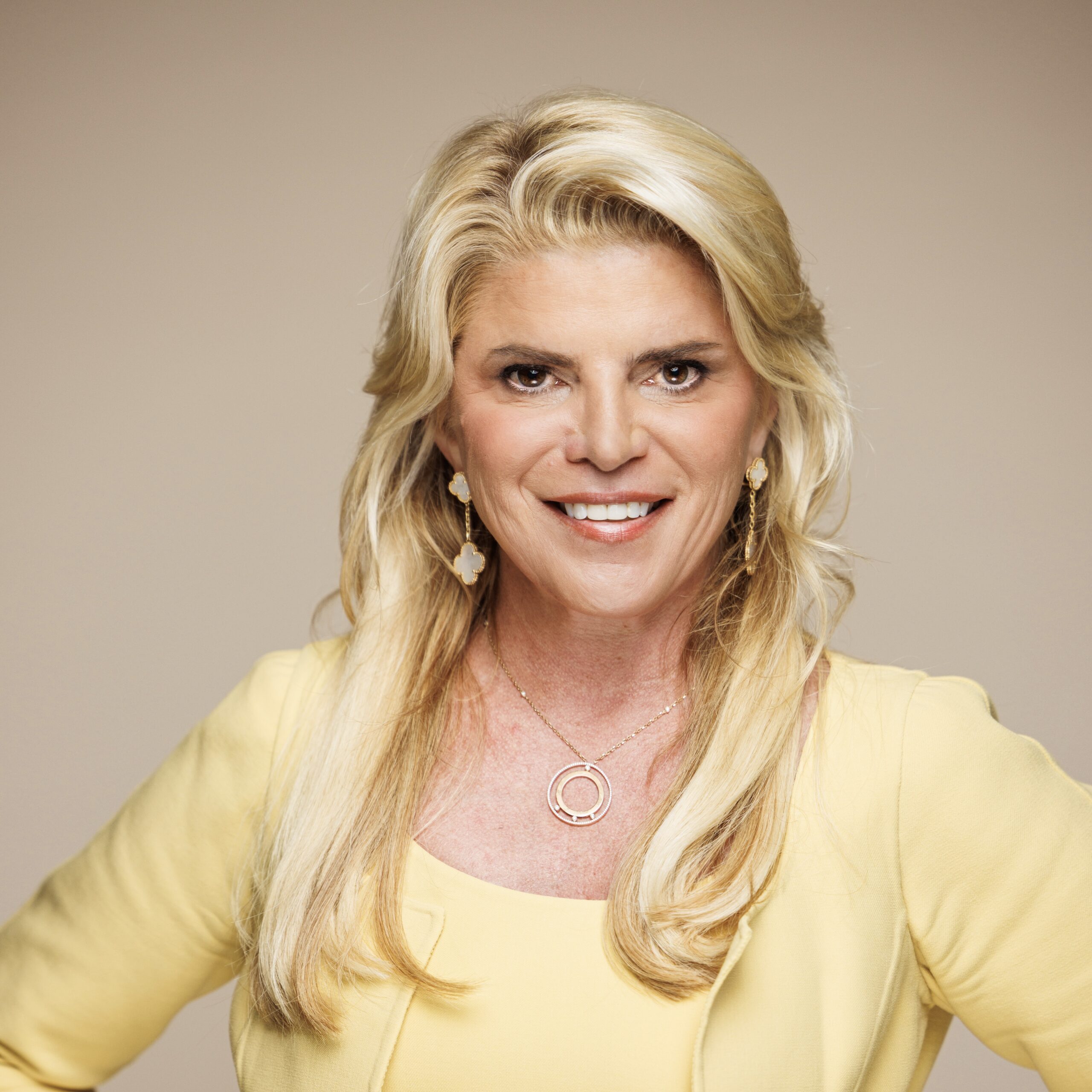
Wingspan Founder Christina Wing joined Danielle Patterson of ISS Market Intelligence, host of the Family Office Access Masterclass series, for a candid hour with a live global audience, much of it shaped by questions from attendees. As Danielle noted at the outset, Christina approaches family offices from a distinctly human perspective. Where much of the industry fixates on structure, investments, and operations, she keeps her attention on the people behind the capital and the conversations that decide whether a family thrives.
A family office is a startup with a lot of money
One of Christina’s central points is that a family office is a startup with a lot of money. A normal business, she explained, usually begins with a founder or two, a mission, and a business plan, but not much capital. A family office is the reverse: it begins with a great deal of capital and a strong urge to deploy it, which is why so many families skip the step of deciding what they are building. Her advice—a phrase she borrows from a client—is to “go slow to go fast.”
The first honest question, she said, is whether you want to run a business at all, because that is what a family office is: essentially an asset management company, with all the governance and day-to-day operations of any real enterprise. If the answer is yes, the next question is what its purpose should be. That answer drives everything else, from the structure to the team. A family that plans to give its wealth away, for example, needs a very different structure than one that wants to buy and hold operating businesses.
The conversations families avoid
Setting up a family office forces a family into the very conversations it tends to avoid. It begins with money. Families are often uncomfortable talking about it, yet contemplating a family office, which pulls everyone together around shared assets, means putting the scale of the wealth on the table. And it does not stop there. A core purpose of a family office is managing estate planning and the transition to the next generation, which taps into other uncomfortable topics like succession and inheritance. But it’s hard to build a business when the family struggles to talk about its very reason for being. This is the territory of Christina’s forthcoming book, Unspeakable: The Taboo Topics We Avoid and How to Talk About Them.
Christina was open about making these mistakes herself. She never asked her own father, a successful entrepreneur, what her responsibilities would be if something happened to him, worried he would hear it as a question about what she stood to inherit. When he died unexpectedly, she learned that she was his executor with no idea of his plan, down to where he wanted to be buried. Her takeaway, repeated to anyone who will listen, is not to avoid these conversations but to have them, and to frame them with care. “Clarity is kindness,” she says. And when you raise these sensitive subjects, make clear you are asking what you are responsible for, not what you stand to gain.
Other highlights from the hour
Christina covered far more ground in conversation with the audience. Among the highlights:
- How big you need to be. On the perennial question of the net worth required to open a family office, she offered no clean number. If you are the quarterback outsourcing everything, almost any amount works. To build an internal investment team, she personally puts the bar above $250 million. Below that, hire one trusted coordinator or join a multi-family office.
- Vetting a multi-family office. Make sure you like the team, check the bench strength of the whole firm and meet everyone you would work with, and notice whether the firm’s biggest relationships dwarf yours, which can leave you a low priority.
- Run it like a serious business. The costliest mistake, she said, is being cheap about staffing, which causes turnover, so pay professionals like professionals. She also likes investment committees that include outside experts and family members who do not work in the office.
- Do not fear the survival statistics. She waved off the familiar figure that few family offices last past the first generation, calling it largely meaningless since they are not a comparable, regulated category. Better to focus on purpose, and to review family participation in roughly five-year segments so no shareholder feels stuck forever.
- Foster stewardship intentionally. Families often pass on wealth but not stewardship, and closing that gap takes deliberate effort to bring everyone together. She points to regular family meetings, shared time, and open communication across generations, including with in-laws. Her warning is that the family tends to fail faster than the business. She also distinguishes the family retreat, which should be just family, learning, and fun, from the family meeting, which benefits from an outside facilitator to keep things objective and on track.
- Back the rising generation. They crave practical tools to communicate and a community of peers, since their lives can be isolating. If they join the family office, define roles and pay before they join. Also, invest in ventures they want to build and run (with guardrails and governance, of course), and then give them room to fail.
- Have difficult conversations well. Working with family inevitably brings hard conversations, and how you open them matters as much as what you say. Do not ambush someone by phone. Give advance notice and a neutral setting, lead with empathy, and set ground rules around a shared goal. Her blunt version: do not get pre-pissed and unload, or you are just venting.
- Be intentional about giving. Her main critique of family philanthropy is inertia: families pledging big then stalling for the one big idea. The ones who do it well give consistently and establish real philanthropic governance.
- Put it in writing. She recommends a family constitution capturing mission, vision, and values, signed by all and kept under ten pages. Alongside it sit the working documents: an investment policy statement and, where capital is pooled, operating and shareholder agreements, which a trusted advisor should help with, ideally one brought on before trouble strikes.
Asked what single conversation every family with a family enterprise should begin immediately, Christina came back to where she started: why are we doing this together, and what is its purpose? Answer that well, she said, and the structure, the team, and the governance follow.
With patient capital and a clear set of values, she believes a family office can do more than almost any other kind of enterprise, but only if the family is willing to have the difficult conversations that get them there.
There is much more in the full session. Watch the complete webinar for all of Christina’s insights.