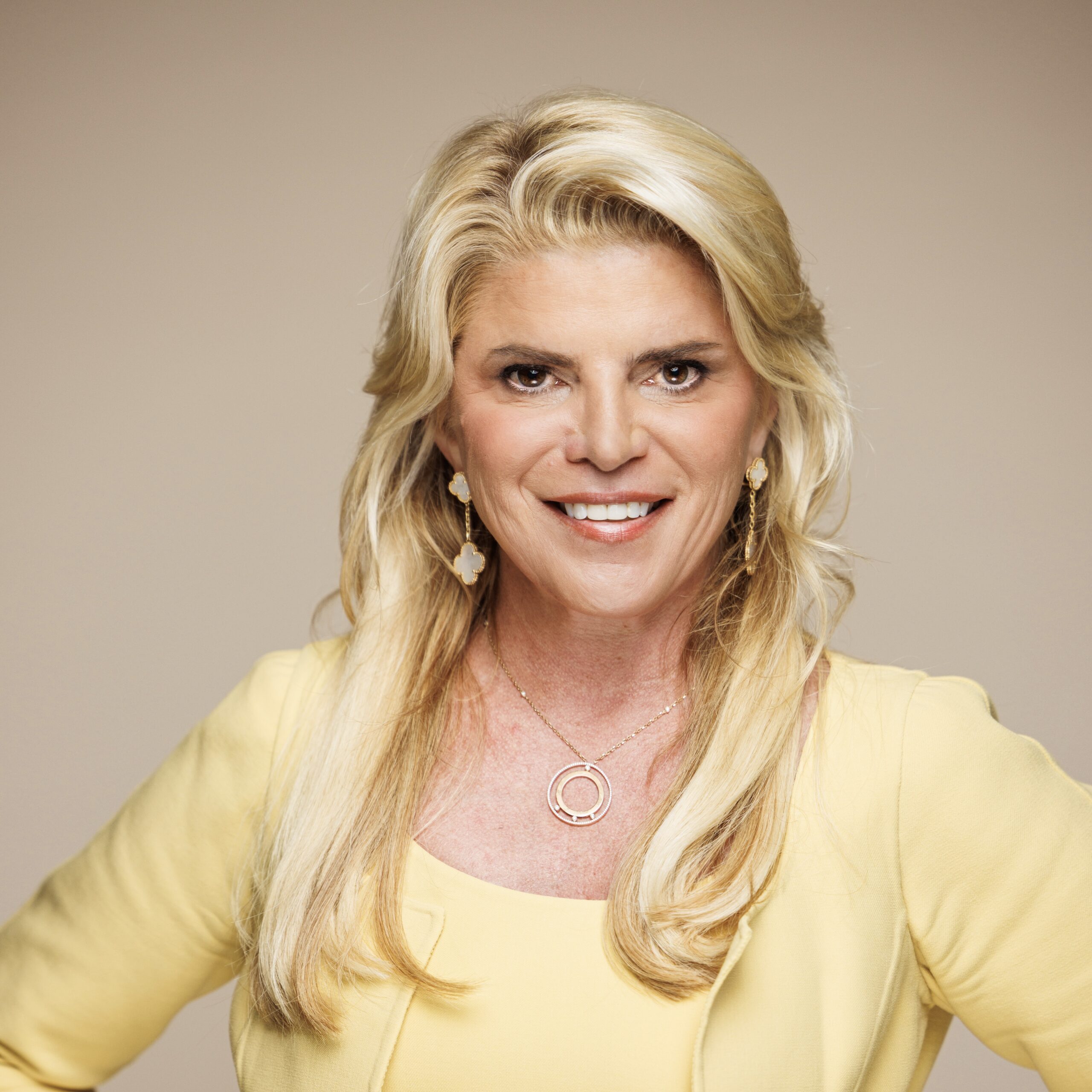
Wingspan Founder Christina Wing is quoted in a recent Family Capital viewpoint by Michael Foster, “Two types of family ownership and the fortunes of two famous football clubs.” The article uses one of English football’s fiercest rivalries to make a point Christina returns to often with the families she advises. There is a real difference between owning a business and managing one, and that difference frequently decides whether an enterprise endures across generations or quietly comes apart.
As Christina explains in the piece:
“Owners influence how capital is allocated, how much risk the family tolerates, whether profits are reinvested or distributed and how patient the family remains through volatility.”
Foster illustrates the idea through two clubs in the English Premier League, the top tier of English football. This past season, Arsenal won the league while its North London rival, Tottenham Hotspur, finished near the bottom of the table and narrowly avoided relegation, the system that demotes the worst performing clubs out of the top division. Same league, same city, two very different fortunes. Foster argues the gap had less to do with the football itself than with how each owning family understood its role.
Arsenal is owned by Stan Kroenke, who bought the club outright in 2018 and owns it actively alongside his son Josh. Foster describes a family that stays engaged as owners rather than managers, backing the club’s manager through a difficult stretch, letting losses ride as long as decisions were explained to them, and committing serious capital once they trusted how it would be used.
Tottenham is controlled by the Lewis family, which for years left the day to day to Daniel Levy, a capable executive. The issue was never that the family used a manager. It was that the family itself stayed at arm’s length from owning, its attention and expertise fixed on its investment house instead. Levy delivered strong commercial results for more than two decades. Yet when the next generation of the Lewis family stepped in, they were prepared to run an investment portfolio, not a football team, and they leaned on outside parties to fix what had gone wrong on the pitch.
Foster then broadens his argument well beyond football, to family enterprises of every kind. Owners who stay engaged, he contends, tend to build something durable, while families who treat ownership as a passive inheritance may see good returns for a time but leave themselves more exposed. He points to families like Walmart, Sweden’s Wallenberg dynasty, and Cargill, who endured precisely because they prepared their heirs to be owners. The danger, when that preparation is missing, is rarely outright conflict. More often, as Christina notes, it is that selling quietly becomes the easiest path:
“When Rising Gens are not educated or engaged as future owners, selling the business often becomes the default option. Not because they reject the family legacy, but because no one helped them understand how to carry it forward.”
The point is not about any one company. It is that no amount of capable management substitutes for an owner who understands what they own. That is the harder question waiting for every family. When control passes to the next generation, will they inherit a business they know how to own, or one they hold without ever understanding what owning it requires?
Link to the full article below.
——
For more content, check out Wingspan Insights.